dmesg --follow
[ 66153780.000 ] posts.x: @Mappletons The redesign isn’t live yet, BTW …  |   [ 66159420.000 ] posts.x: Full talk on why there's no single right chunk size and how multiscale indexing with RRF closes the gap:  |   [ 66159420.000 ] posts.x: A fixed chunk size is a bet on queries you haven't seen yet. @yuvalinthedeep, Sr. Developer Advocate at AI21, tests that bet in "Stop Chunking Like…  |   [ 66166140.000 ] posts.x: @hypeapps @toggl Is this because you’re straddling multiple agent sessions for multiple projects simultaneously?  |   [ 66166560.000 ] posts.x: @hypeapps @toggl You could still get pretty close. Agent sessions are stored on disk. Subtract the long gaps between your inputs to the session…  |   [ 66168660.000 ] posts.x: Full talk on why llms.txt isn't enough and what actually makes a website agent-ready:  |   [ 66168660.000 ] posts.x: Almost half of the websites in one study already publish an llms.txt file for agents to read, but almost none of the agents actually use it…  |   [ 66169620.000 ] posts.x: Full talk on why AI cluster networks need a receiver-driven, message-based protocol instead of TCP:  |   [ 66169620.000 ] posts.x: Most AI clusters still tune their networks for giant weight transfers, but the workloads pushing performance limits now are tiny messages: a KV cache…  |   [ 66179400.000 ] posts.x: Full talk on the harness layers, the files-vs-databases tradeoff, and context rot:  |   [ 66179400.000 ] posts.x: Most of what makes an AI agent reliable has nothing to do with the model itself. In "Total Recall: Agent Memory and Harness Engineering,"…  |   [ 66229440.000 ] posts.x: Astounding!  |   [ 66229560.000 ] posts.x: @lukebfox1 This was such a great game! We used to have all-night LAN parties on this one!  |   [ 66230100.000 ] posts.x: Curious what The Godfather thinks of this. @HamelHusain  |  
corey@gallon.me:~/conferences$

Your Multi-Agent System Isn't Failing Because of the AI
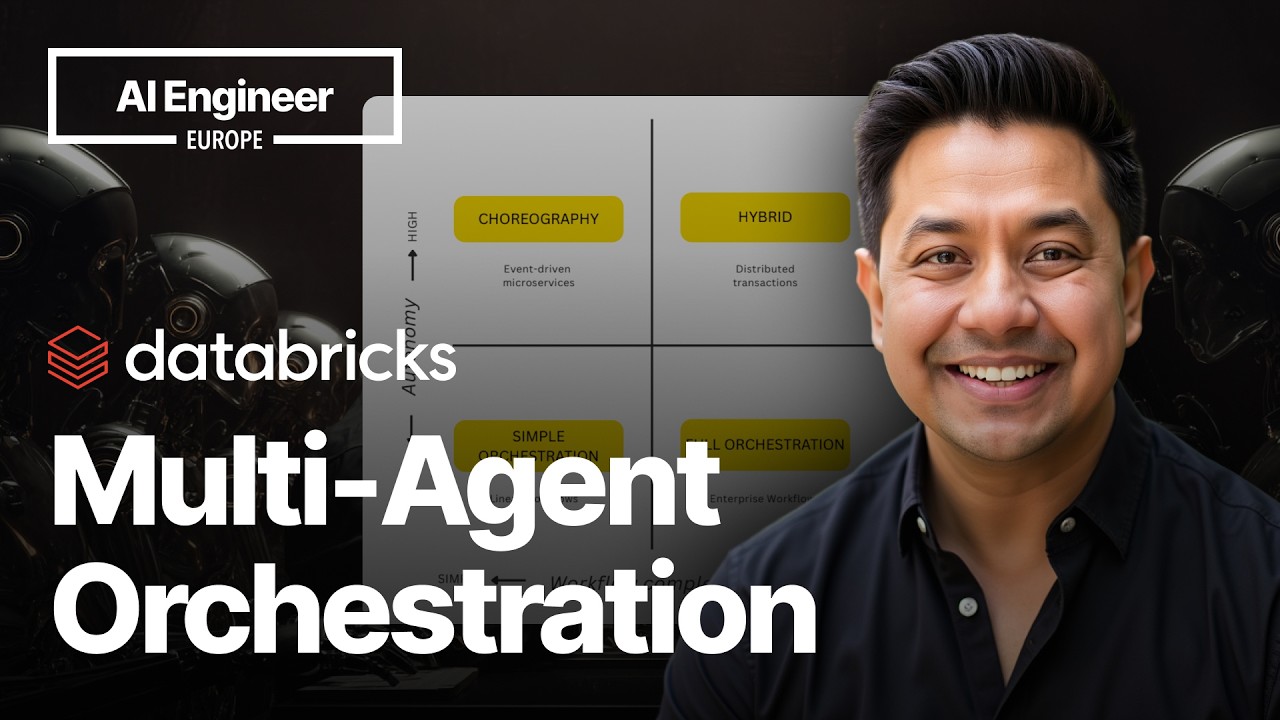
FIGURE 1 ⋅ Your Multi-Agent System Isn't Failing Because of the AI

Sandipan Bhaumik (LinkedIn), Data & AI Tech Lead at Databricks, opened with an anecdote that set the tone for the whole talk. A single credit-scoring agent ran for two weeks in production without issues. The team added four more agents. Within days, 20% of risk ratings were wrong -- not because the LLM was hallucinating, but because a caching layer between agents wasn't invalidating correctly. A classic distributed systems race condition on stale data.

"They think adding more agents is just like adding more features. It's not. It's building a distributed system."

His argument: when multi-agent systems break, teams blame the model or the prompts. Almost every time, Bhaumik says, it's the architecture.

The Coordination Complexity Problem

Sandipan points out that going from one agent to five doesn't create five times the complexity. Five agents have at least ten potential coordination points -- each one a failure surface. The math is straightforward (pairwise connections), but teams consistently underestimate it because adding an agent feels like adding a feature.
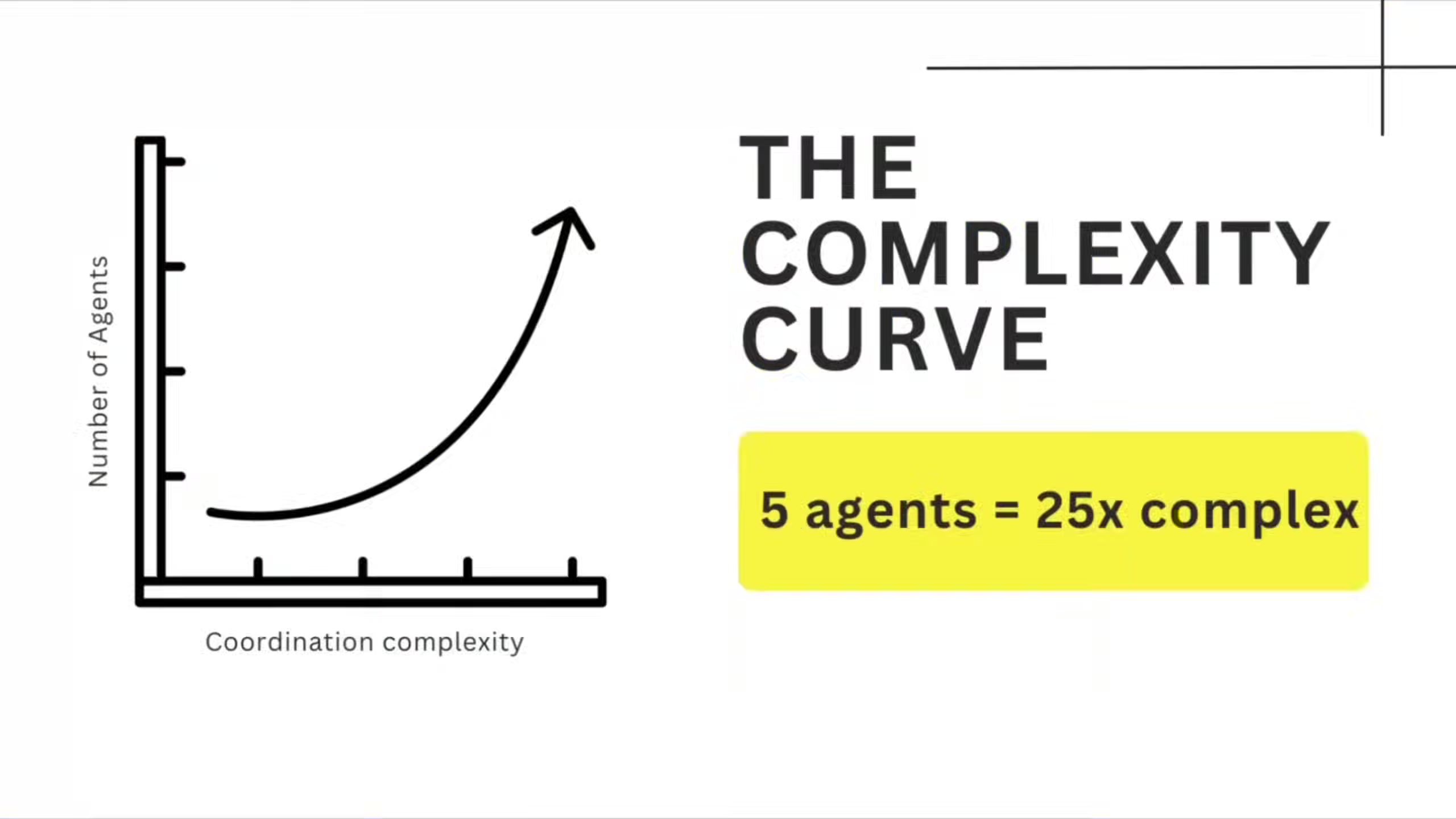
Slide titled "The Complexity Curve" showing an exponential curve with Number of Agents on the y-axis and Coordination Complexity on the x-axis, with a highlighted callout reading "5 agents = 25x complex"
FIGURE 2 ⋅ Slide titled "The Complexity Curve" showing an exponential curve with Number of Agents on the y-axis and Coordination Complexity on the x-axis, with a highlighted callout reading "5 agents = 25x complex"

The fix, he argues, isn't better AI. It's applying decades of distributed systems engineering to a problem space that's pretending those lessons don't exist.

"This is no longer an AI problem. This is a distributed system problem."

Choreography vs. Orchestration

Sandipan breaks agent coordination into two patterns, and argues most teams pick one instinctively and regret it.

Choreography is event-driven and decentralized. Agents publish events to a message bus when they finish work; downstream agents subscribe to the event types they care about. It scales well and makes adding new agents easy. The downside: debugging is brutal without strong observability. You can't trace which agent failed to publish, whether events were consumed, or whether they were consumed twice.
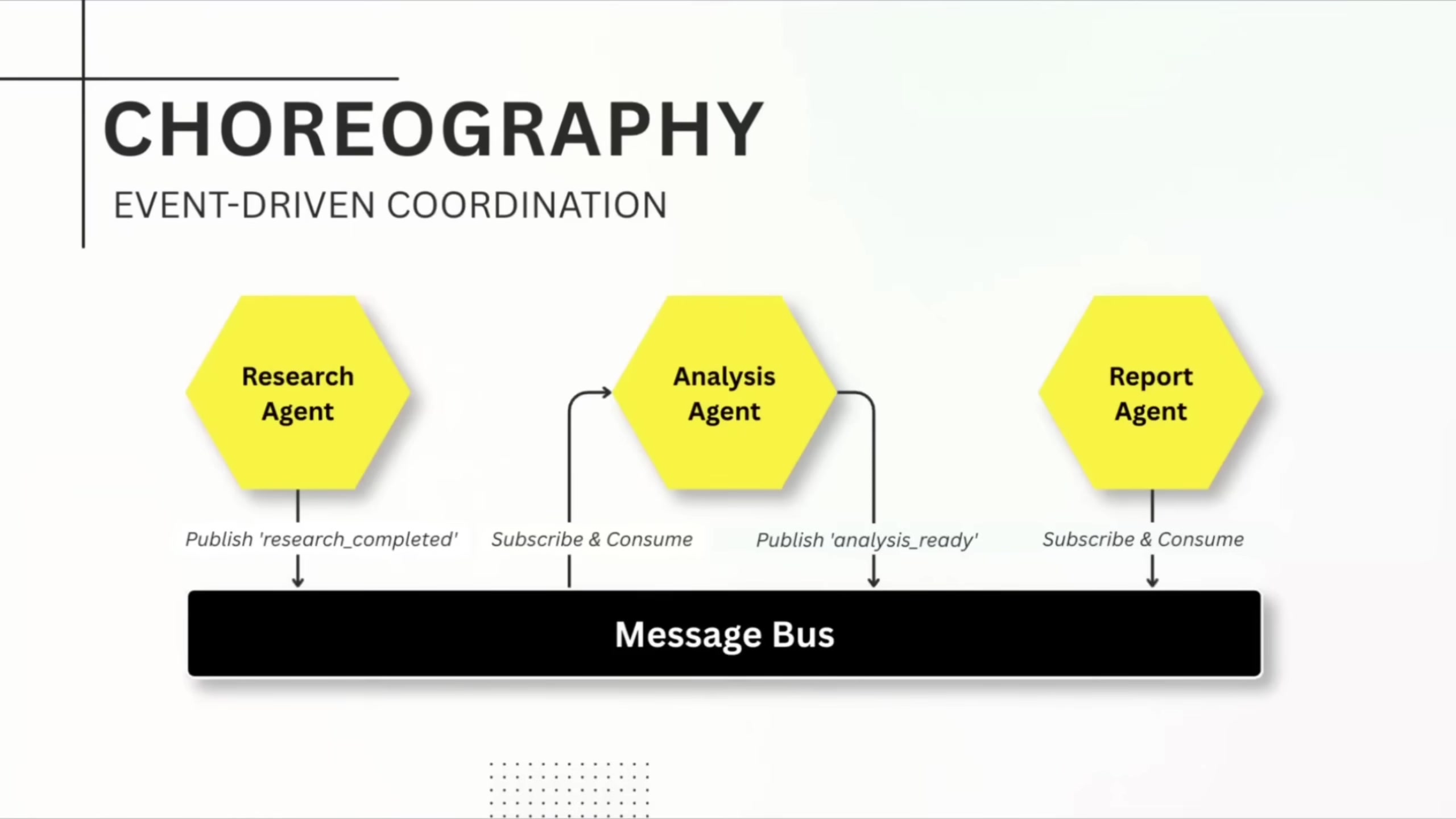
Slide titled "Choreography: Event-Driven Coordination" showing three hexagonal agents -- Research Agent, Analysis Agent, and Report Agent -- connected through a Message Bus, with arrows labeled Publish, Subscribe & Consume between them
FIGURE 3 ⋅ Slide titled "Choreography: Event-Driven Coordination" showing three hexagonal agents -- Research Agent, Analysis Agent, and Report Agent -- connected through a Message Bus, with arrows labeled Publish, Subscribe & Consume between them

Orchestration is centralized. A workflow orchestrator calls each agent directly, manages parallelism, tracks the full execution graph, handles retries, and logs every step. Agents are deliberately simple -- they take input, do work, return output. He says financial services uses orchestration almost exclusively because rollback capability and auditability matter more than agent autonomy.
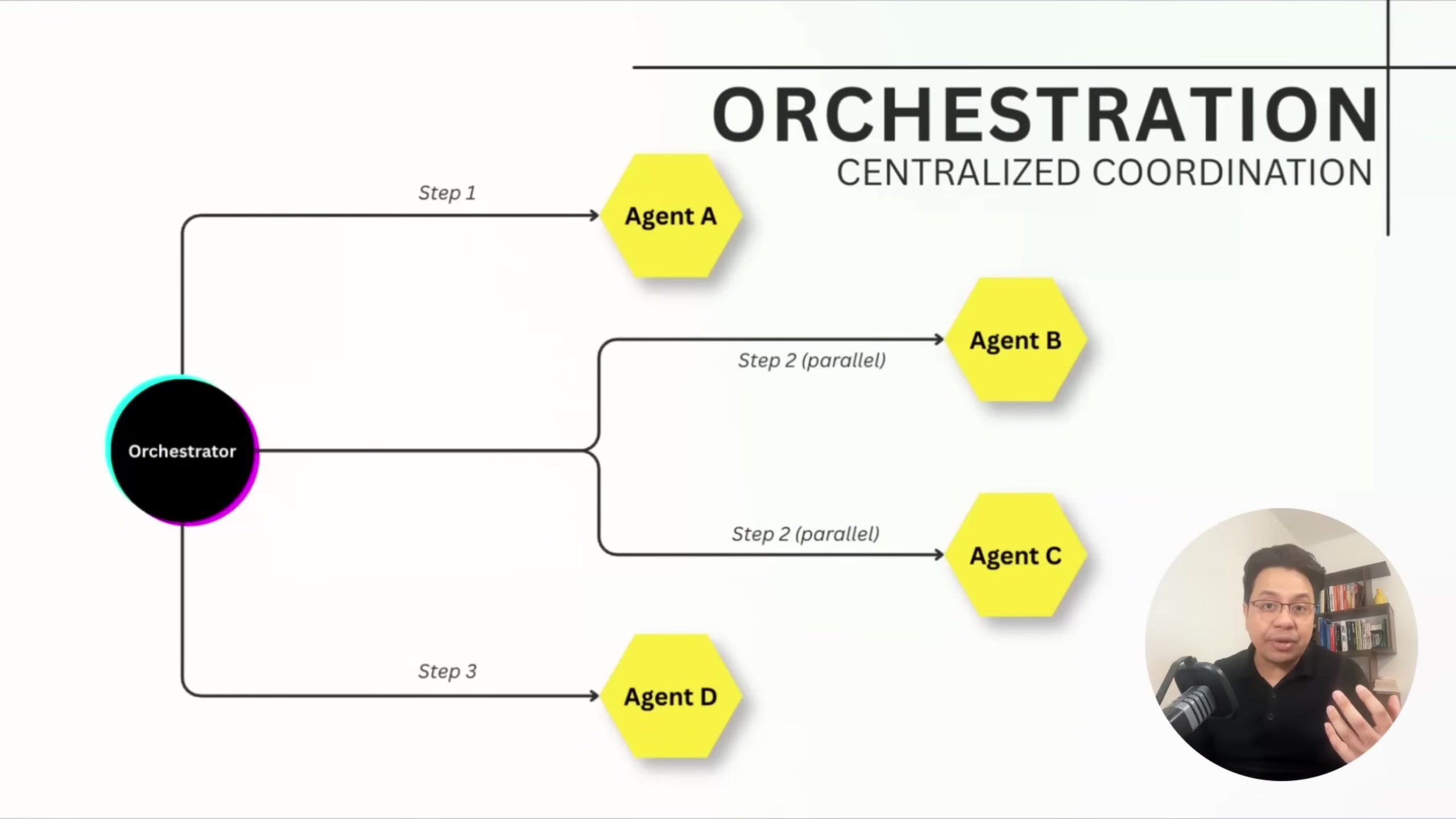
Slide titled "Orchestration: Centralized Coordination" showing an Orchestrator node on the left calling Agent A in Step 1, then Agent B and Agent C in parallel in Step 2, then Agent D in Step 3
FIGURE 4 ⋅ Slide titled "Orchestration: Centralized Coordination" showing an Orchestrator node on the left calling Agent A in Step 1, then Agent B and Agent C in parallel in Step 2, then Agent D in Step 3

His decision framework maps workflow complexity against autonomy requirements across four quadrants.
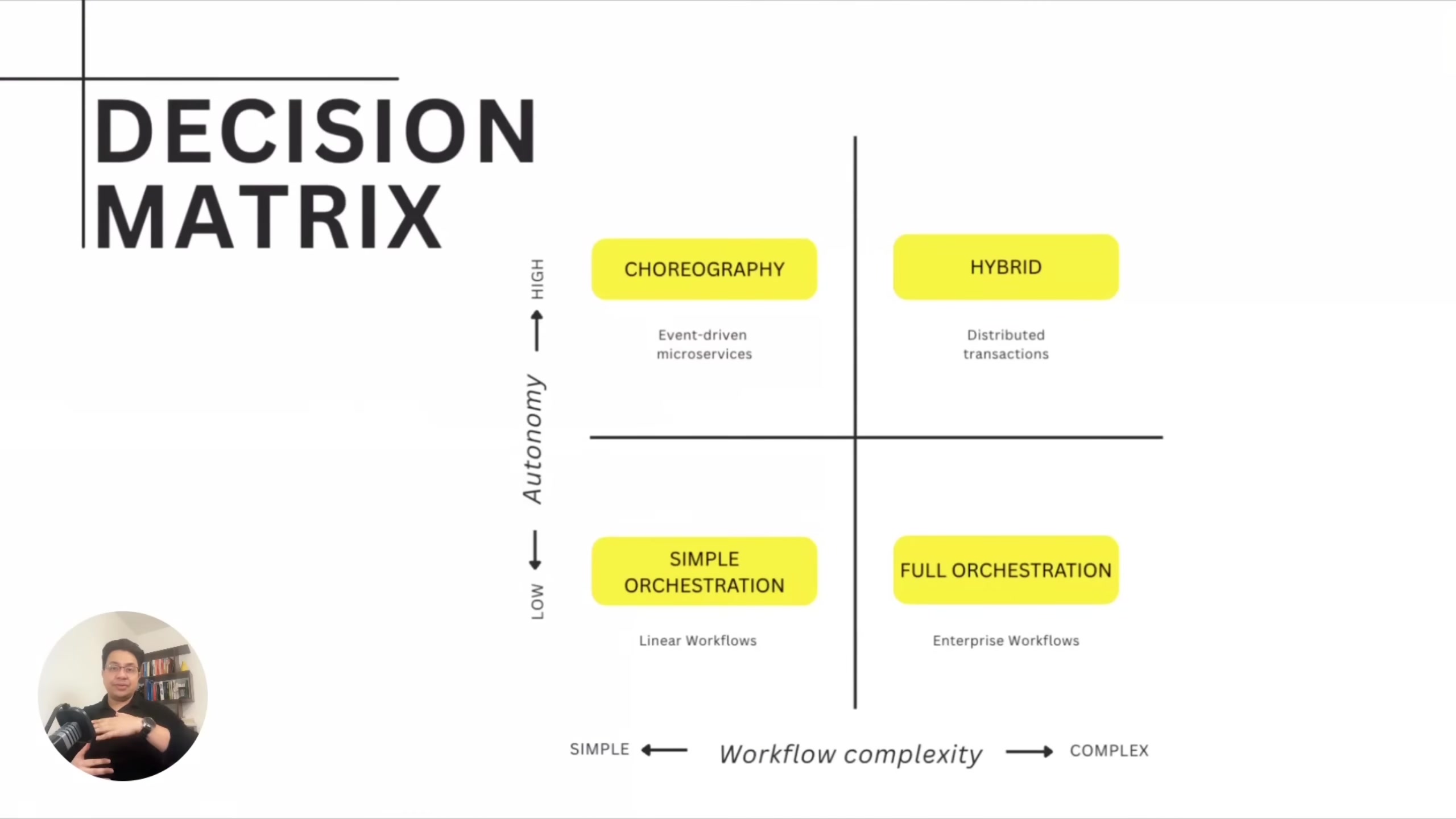
Decision Matrix with Workflow Complexity on the x-axis (simple to complex) and Autonomy on the y-axis (low to high), showing four quadrants: Choreography (simple, high autonomy), Hybrid (complex, high autonomy), Simple Orchestration (simple, low autonomy), and Full Orchestration (complex, low autonomy)
FIGURE 5 ⋅ Decision Matrix with Workflow Complexity on the x-axis (simple to complex) and Autonomy on the y-axis (low to high), showing four quadrants: Choreography (simple, high autonomy), Hybrid (complex, high autonomy), Simple Orchestration (simple, low autonomy), and Full Orchestration (complex, low autonomy)

Simple workflow with high autonomy needs points to choreography. Complex workflow with low autonomy tolerance points to orchestration. Complex workflow with high autonomy needs points to hybrid patterns -- choreography with saga patterns for compensation.

"I've seen teams choose choreography because it feels more agentic, more autonomous. Then they spend months firefighting because they can't debug distributed event flows."

Immutable State Over Shared Mutable State

The anti-pattern Sandipan flags most often: shared mutable state where multiple agents read and write the same database records concurrently. Even with modern database protections, teams use default isolation levels, skip explicit locks, and ship race conditions to production.

His recommended pattern is immutable state snapshots with versioning. Each agent produces a sealed, immutable state version -- append-only inserts, never updates. At each handoff, the receiving agent validates the schema against a data contract before processing. If an agent fails, you roll back to the previous version. For debugging, you replay state evolution from version 1 through version N.
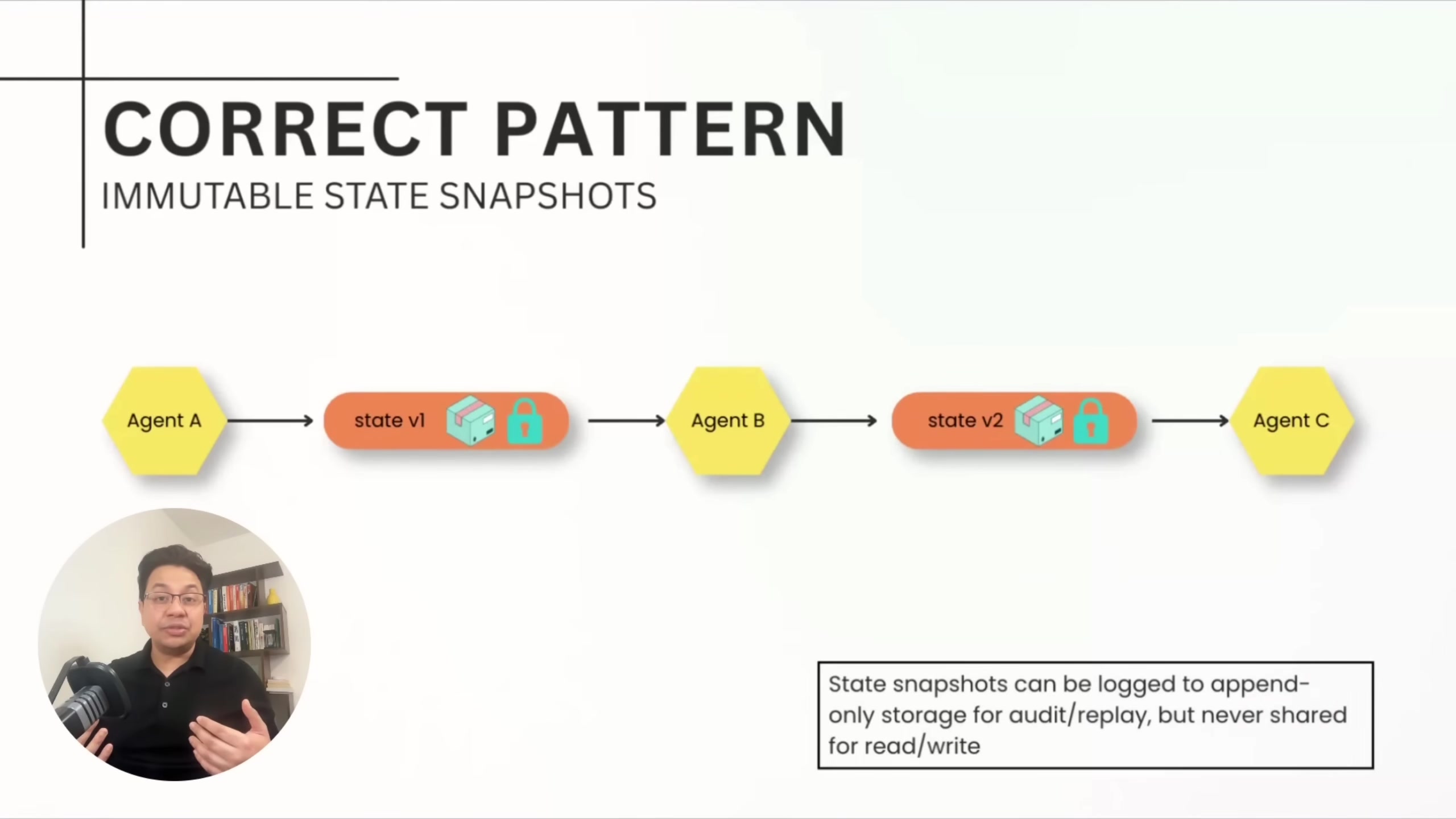
Slide titled "Correct Pattern: Immutable State Snapshots" showing Agent A producing state v1 (with lock and checkmark icons), which flows to Agent B, which produces state v2, which flows to Agent C, with a note that state snapshots can be logged to append-only storage for audit/replay but never shared for read/write
FIGURE 6 ⋅ Slide titled "Correct Pattern: Immutable State Snapshots" showing Agent A producing state v1 (with lock and checkmark icons), which flows to Agent B, which produces state v2, which flows to Agent C, with a note that state snapshots can be logged to append-only storage for audit/replay but never shared for read/write

Data contracts enforce that one agent's output schema matches the next agent's expected input. If a research agent outputs data with a confidence score below a threshold, the contract rejects the handoff at the boundary rather than letting bad data propagate three agents downstream.

Circuit Breakers and Compensation

He covers two failure recovery patterns he considers essential for production multi-agent systems.

Circuit breakers wrap every agent call. After a configurable number of consecutive failures, the circuit opens and the system fails fast instead of waiting for timeouts. After a cooldown period, it goes half-open and tests with a single request. This prevents one failing agent from cascading into a full system outage.
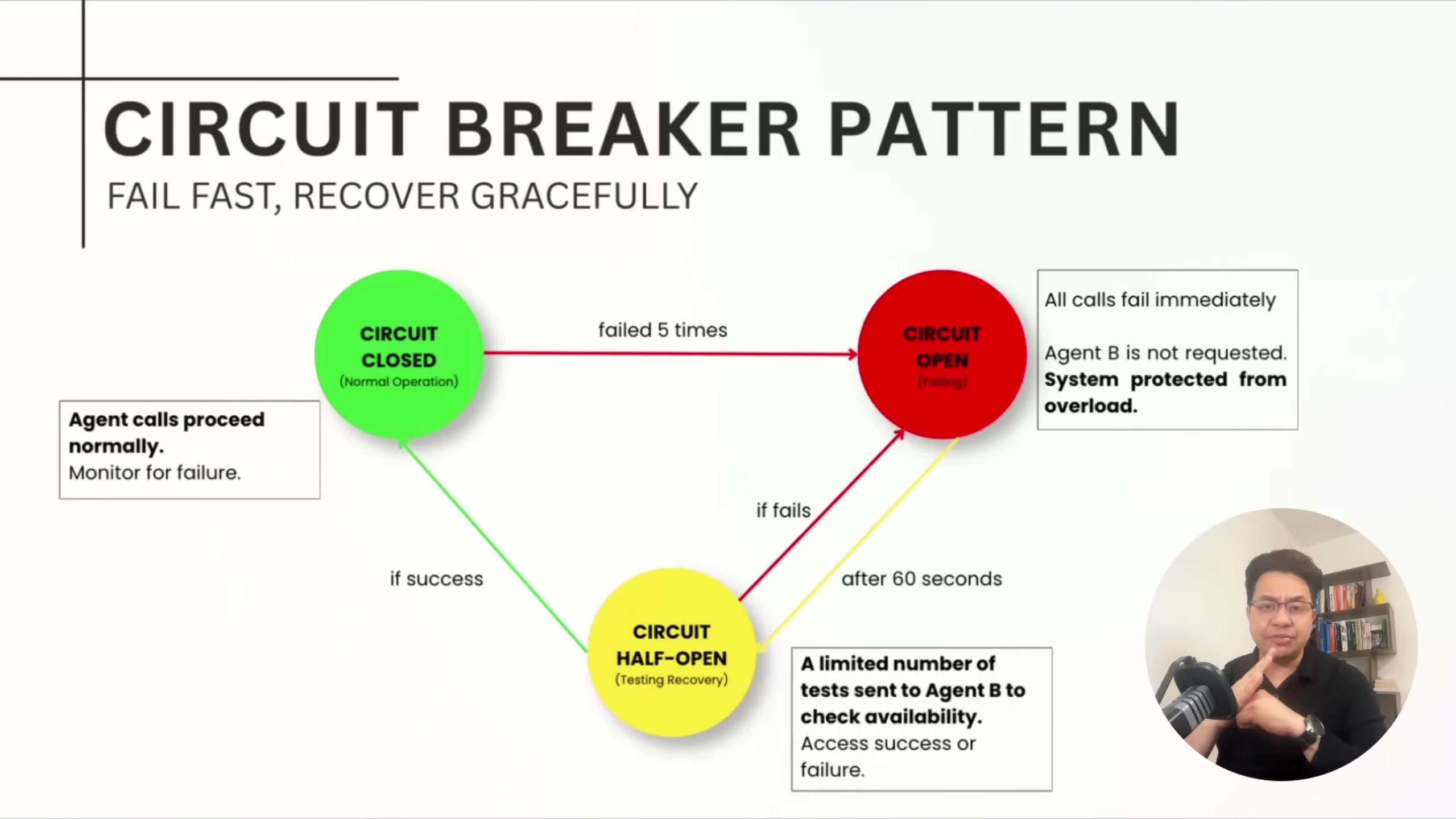
Slide titled "Circuit Breaker Pattern: Fail Fast, Recover Gracefully" showing a state diagram with three states -- Circuit Closed (normal operation), Circuit Open (blocking), and Circuit Half-Open (testing recovery) -- connected by transitions: failed 5 times opens the circuit, after 60 seconds it goes half-open, success closes it, failure reopens it
FIGURE 7 ⋅ Slide titled "Circuit Breaker Pattern: Fail Fast, Recover Gracefully" showing a state diagram with three states -- Circuit Closed (normal operation), Circuit Open (blocking), and Circuit Half-Open (testing recovery) -- connected by transitions: failed 5 times opens the circuit, after 60 seconds it goes half-open, success closes it, failure reopens it

"Circuit breakers are the single most important failure recovery pattern for multi-agent systems."

The saga/compensation pattern gives transactional semantics across distributed agents. Every agent implements two methods: execute and compensate. If an agent fails mid-workflow, the orchestrator walks backward through previously successful agents, calling compensate on each to undo their work.
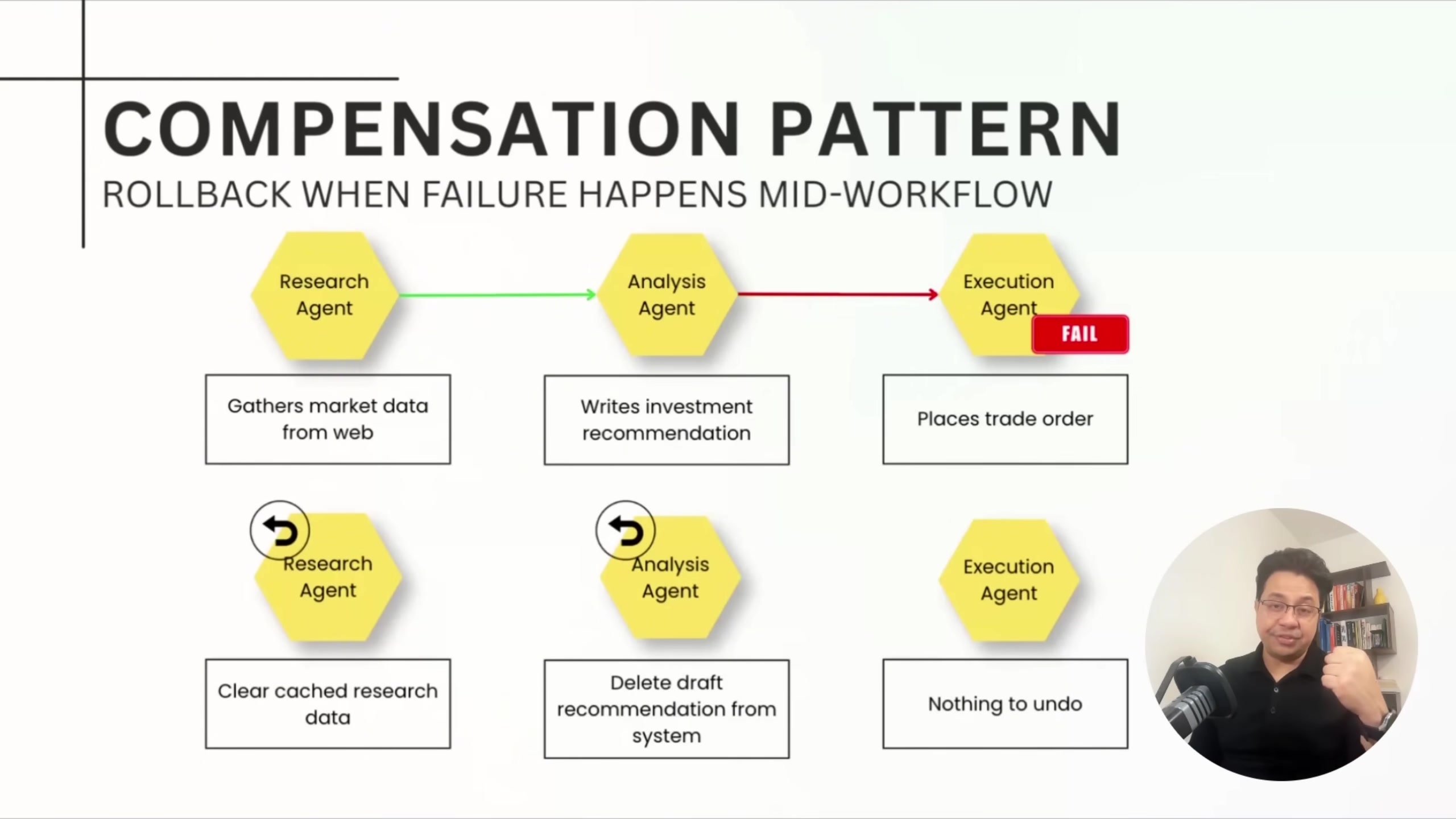
Slide titled "Compensation Pattern: Rollback When Failure Happens Mid-Workflow" showing three agents in sequence -- Research Agent, Analysis Agent, Execution Agent -- where the Execution Agent fails, triggering backward compensation: Analysis Agent deletes its draft recommendation, Research Agent clears its cached research data, and Execution Agent has nothing to undo
FIGURE 8 ⋅ Slide titled "Compensation Pattern: Rollback When Failure Happens Mid-Workflow" showing three agents in sequence -- Research Agent, Analysis Agent, Execution Agent -- where the Execution Agent fails, triggering backward compensation: Analysis Agent deletes its draft recommendation, Research Agent clears its cached research data, and Execution Agent has nothing to undo

Sandipan acknowledges it's not glamorous work. But it's how production systems handle partial failures without human intervention at 2 a.m.

The Unsexy Work That Keeps Systems Running

Bhaumik's closing is blunt. Demos are easy -- anyone can use an LLM to show something cool. The hard part is everything he covered: choreography versus orchestration decisions, immutable state, circuit breakers. All of it is infrastructure work that won't get applause.
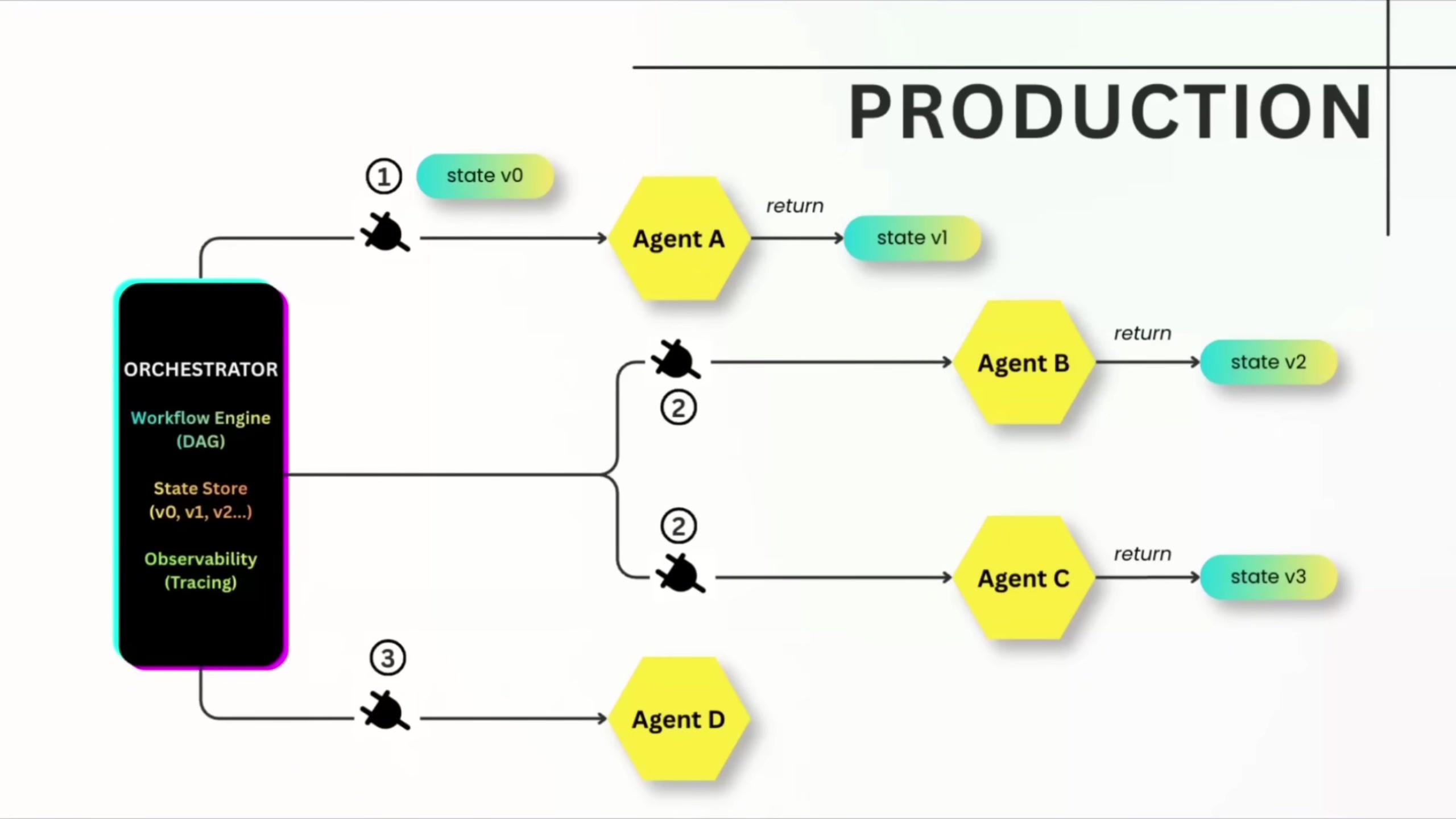
Slide titled "Production" showing a full production architecture with an Orchestrator containing a Workflow Engine (DAG), State Store (v0, v1, v2...), and Observability (Tracing), calling Agent A, then Agent B and C in parallel, then Agent D, with each agent returning versioned state objects
FIGURE 9 ⋅ Slide titled "Production" showing a full production architecture with an Orchestrator containing a Workflow Engine (DAG), State Store (v0, v1, v2...), and Observability (Tracing), calling Agent A, then Agent B and C in parallel, then Agent D, with each agent returning versioned state objects

"You won't get applause for implementing a circuit breaker, but you make your systems more reliable. They don't fail at 2 a.m. in the night."

His core argument is that the teams succeeding with multi-agent systems in production aren't the ones with the best prompts or the most capable models. They're the ones treating agent coordination as what it is -- a distributed systems problem -- and applying the patterns that have solved those problems for decades.


Sandipan Bhaumik spoke at AI Engineer Europe 2026. Data & AI Tech Lead at Databricks.

Watch the full talk | Slides | LinkedIn

corey@gallon.me:~$ tail -f /writing Attach to the stream. An email when I have something worth sending. Replies encouraged!
corey@gallon.me:~$ ls -lt /conferences ↑2026-04-12 Your Digital Exhaust Is the Most Underused Dataset You Own
▸2026-04-12 Your Multi-Agent System Isn't Failing Because of the AI ⋅ you are here
↓2026-04-12 Your LLM Evaluator Is Probably Lying to You